- Home
- Architecture
- Reading a villa's style
Villa styles in Marbella: from cortijo to white cube
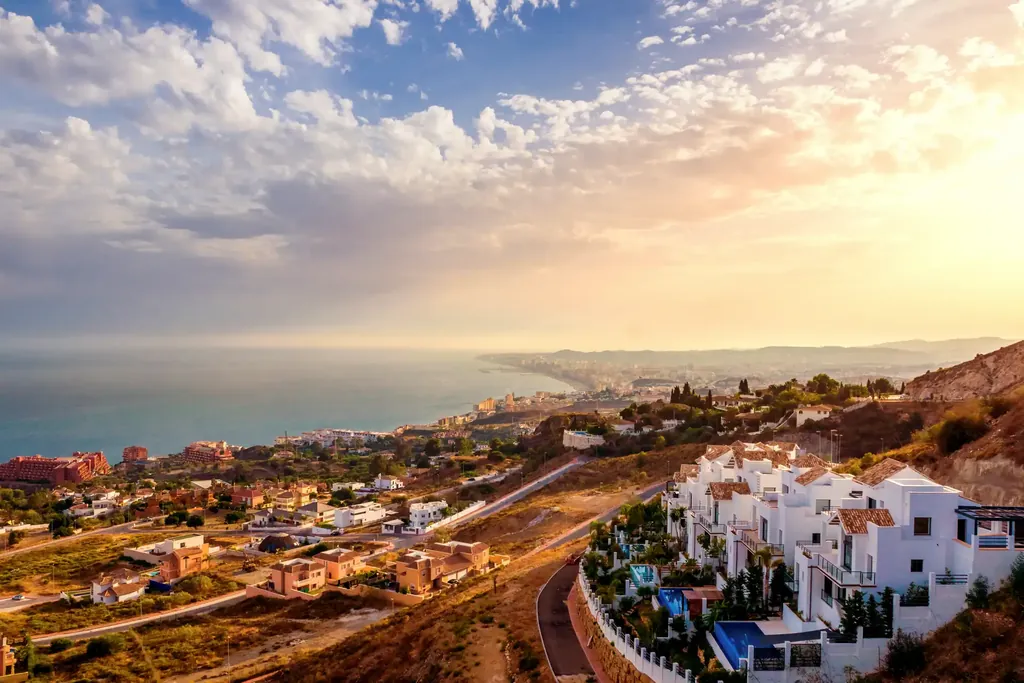
Drive through any Marbella hillside and you see several decades of taste side by side: tiled roofs and arches next to flat white volumes and walls of glass. Style is more than a matter of looks. It decides how much light reaches the rooms, what the house costs to keep and who will want to buy it from you one day.
Why style matters beyond looks
On this coast the style of a villa is closely tied to when it was built, and the date tells you a great deal about the walls, the windows and the installations behind the facade. A traditional house with thick walls behaves very differently in August from a glass pavilion facing the sea.
Style also shapes the resale conversation. Buyers at the upper end of the market tend to pay for light, open plans and a clear connection between the living rooms and the pool terrace, while a well-kept traditional villa appeals to a smaller but loyal group. Knowing which camp a house belongs to helps you judge both its price and its future.
The six styles at a glance
A short guide to what you will see on viewings, with the trade-off that matters most for each.
- Andalusian cortijo and hacienda: cool thick walls and courtyards, darker rooms, loyal buyers who love tradition.
- Classic Marbella villa of the 1970s and 1980s: good plots in mature areas, dated layouts, often priced as a project.
- Mediterranean contemporary: white volumes, stone, timber and glass, abundant light, the broadest appeal at resale.
- Minimalist white cube: pure geometry and maximum glazing, demanding upkeep, strong resale only when well built.
- Ibiza-influenced: soft rendered forms and natural materials, gentle light, a relaxed appeal that follows fashion.
- Neoclassical mansion: columns, symmetry and formal rooms, costly to maintain, a narrower pool of buyers.

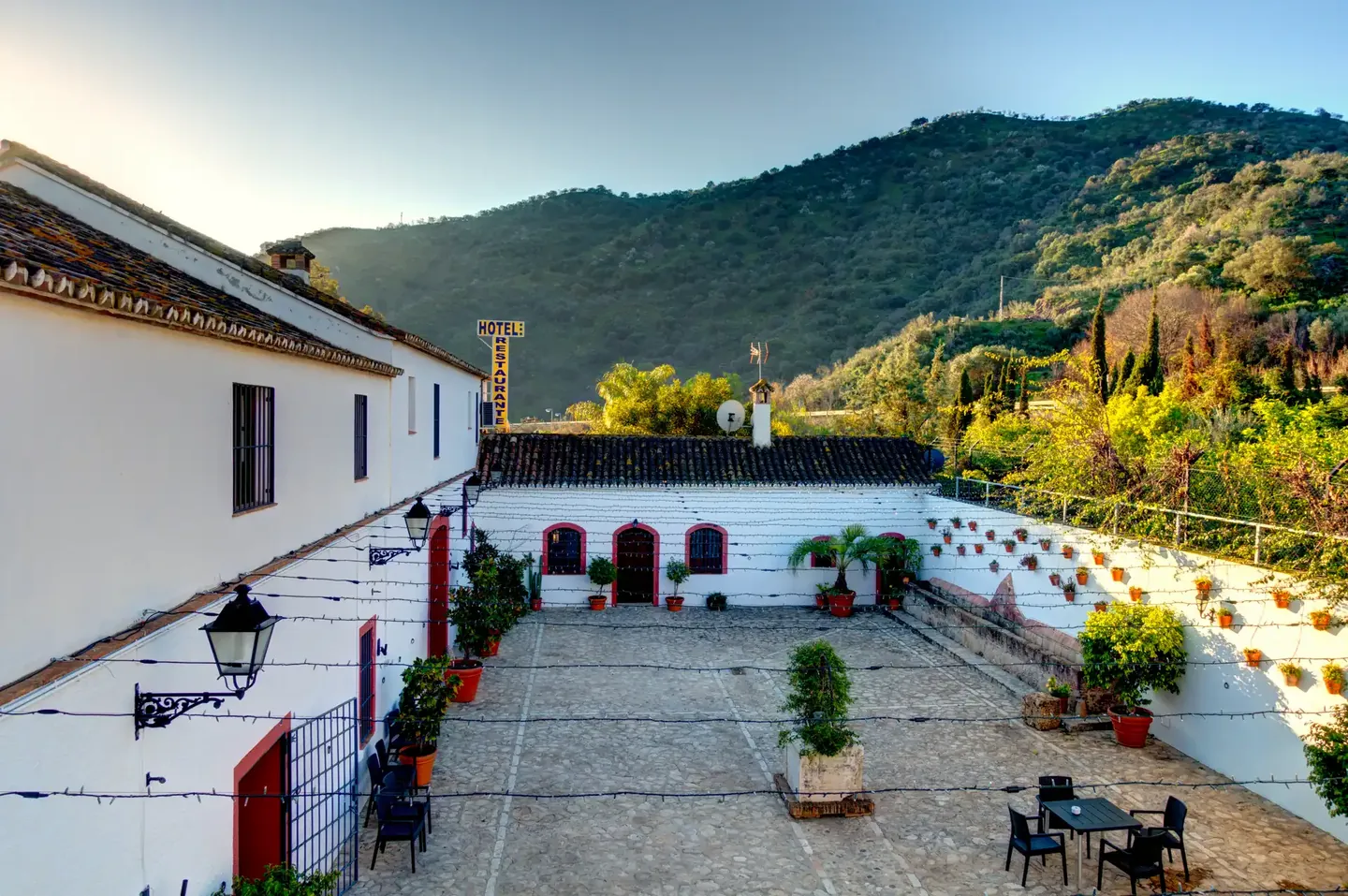
Cortijo and hacienda: thick walls and courtyards
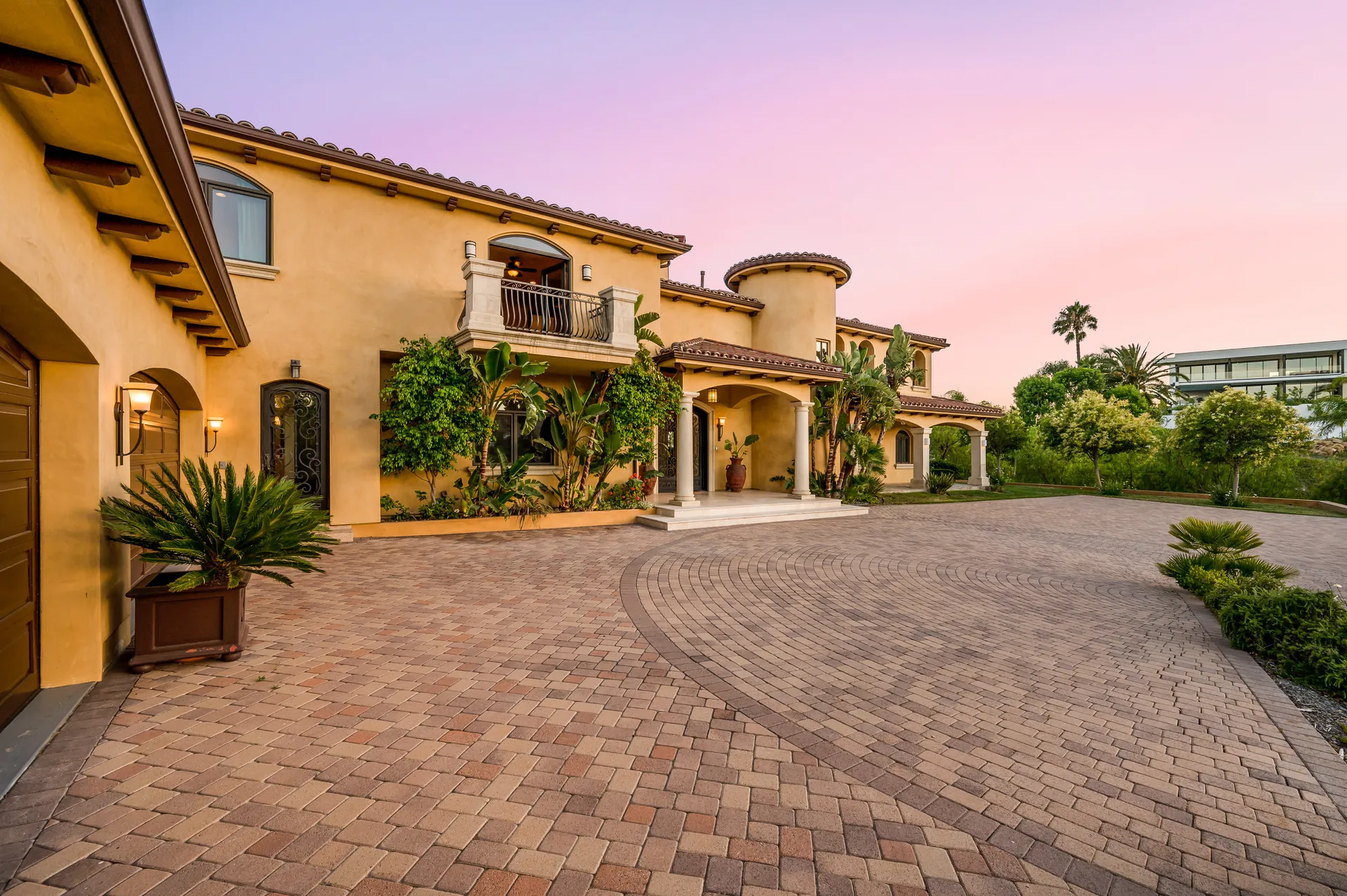
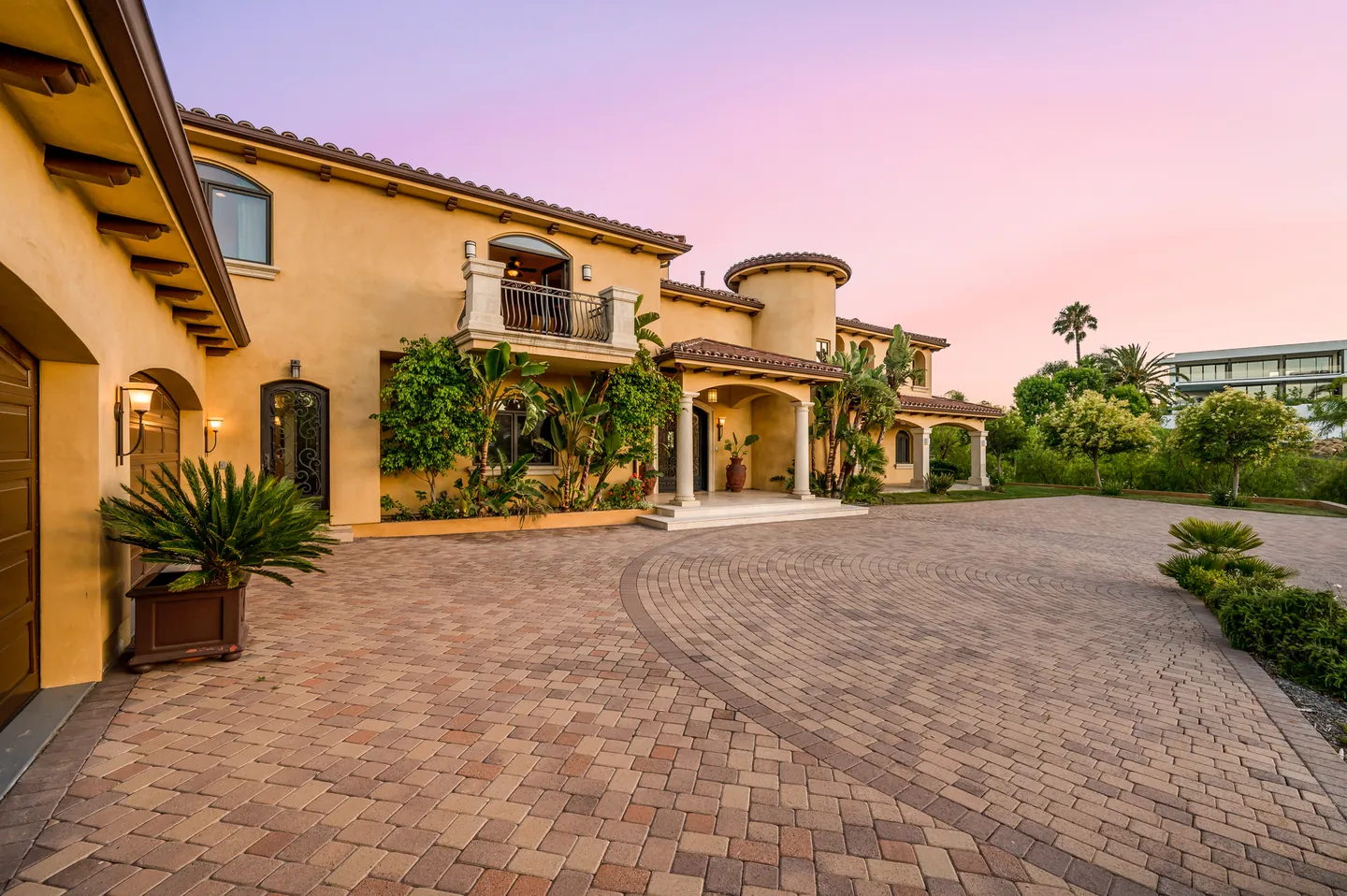
The Andalusian style borrows from the farmhouses (cortijos) and country estates (haciendas) of the interior: whitewashed walls, terracotta roof tiles, round arches, inner courtyards, wrought iron grilles and walls thick enough to keep the midday heat outside. Covered porches and loggias create deep shade, and the best examples are planned around a patio with a fountain or an old tree.
Thick walls and small windows keep the house cool, but they also keep it dim, and some interiors feel heavy on a grey winter day. Maintenance is traditional rather than technical: roof tiles need checking after storms, lime-washed walls need repainting every few years, and iron and timber suffer in salty air.
At resale, a genuine and well-kept hacienda finds buyers who want character above all. A tired one is often bought by someone who plans to open up the facades, enlarge the windows and keep only the outline. If you love the style, look for houses where light has been brought in through courtyards and skylights rather than by cutting the walls apart.
The classic Marbella villa of the 1970s and 1980s
The decades after Puerto Banús opened in 1970 produced a type you still meet everywhere: white rendered walls, pitched tiled roofs, arched porches, a kidney-shaped or rectangular pool and a garden that has had forty years or more to mature. Many sit on plots that would be hard to find today, in settled streets close to golf or the beach.
Behind the familiar look you should expect single glazing, small bathrooms, closed kitchens, older wiring and plumbing and little or no insulation. These houses are rarely bought for the building itself. The price reflects the plot, the position and the view, and the buyer budgets for a renovation or a rebuild, as our guide to renovating a villa in Marbella explains.
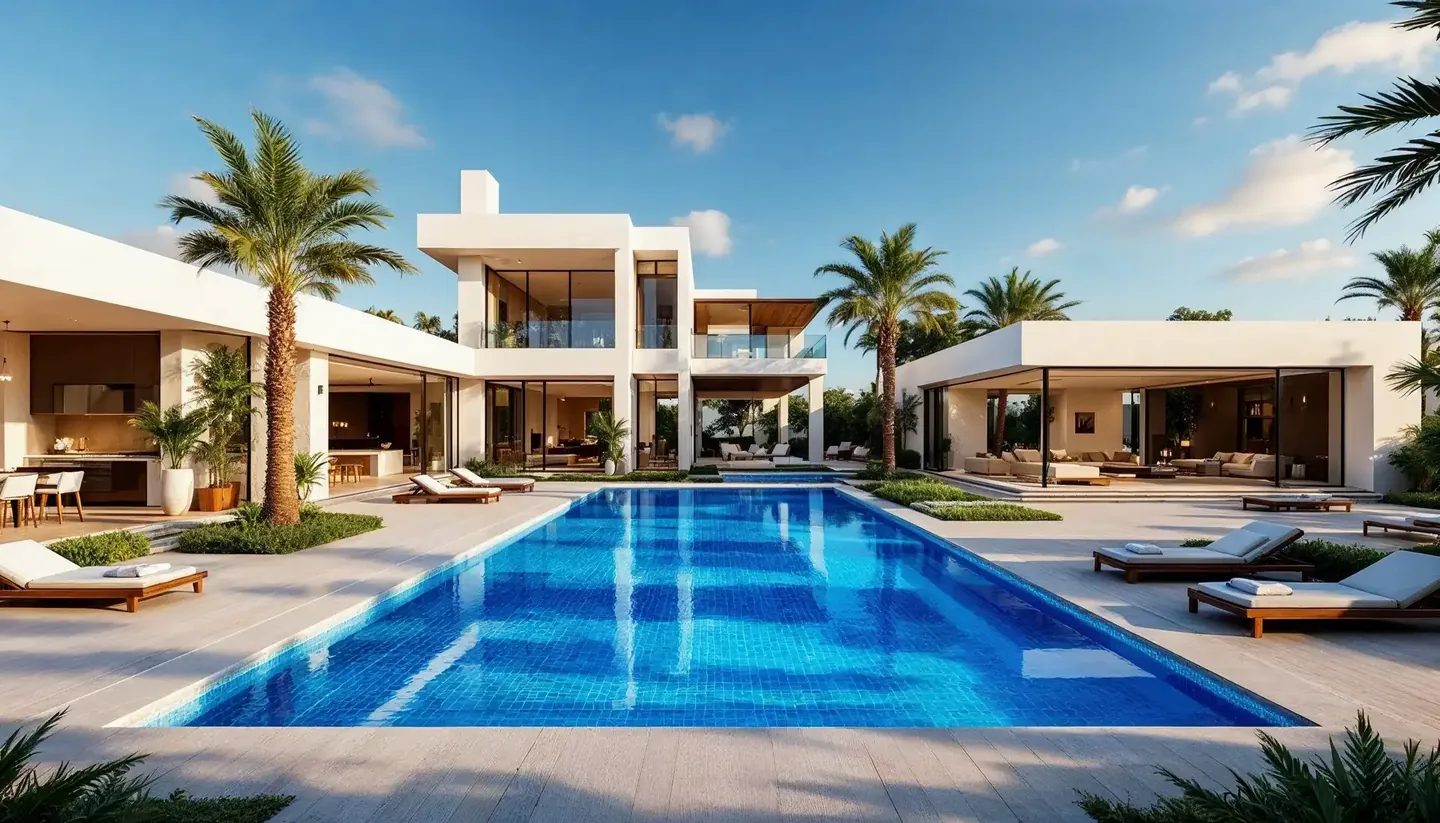
Mediterranean contemporary and the white cube
The Mediterranean contemporary villa is the look of much recent building on the coast: white volumes stacked down a slope, natural stone walls, timber ceilings or screens, floor-to-ceiling glazing, flat roofs used as terraces and an infinity pool that seems to run into the sea. Done well, it balances glass with shade and stone with plaster, and opens the whole ground floor to the garden.
The light is generous, sometimes too generous. Large panes facing south and west bring heat as well as views, so look for overhangs, louvres and solar control glass. Flat roofs depend on their waterproofing, stone needs sealing, timber turns silver unless it is oiled, and big sliding windows need regular servicing. Demand at resale is broad, which is why so many older villas are rebuilt in this idiom.
The minimalist white cube takes the same ideas to their limit: sharp edges, no visible roof, frameless glass and almost no ornament. It photographs beautifully, but white render shows every stain, cracks are hard to hide and the glare on a bright terrace can be tiring. Built with care, these houses hold their value well. Built cheaply, they age faster than any other style on the coast.
Ibiza-influenced and neoclassical
The Ibiza-influenced style softens everything: rounded corners, thick rendered walls in warm off-white or sand, built-in benches, lime plaster or microcement, wood, rattan, linen and plenty of planting. The light inside is gentle and diffuse, and the houses feel relaxed rather than formal, which suits holiday use and rental.
Soft plasters need care. Hairline cracks appear, surfaces absorb stains and some finishes have to be resealed regularly. At resale the style appeals strongly to its own audience, but it follows fashion more closely than the others, so a house finished in this look a few years ago may already need a refresh.
The neoclassical mansion stands at the other end of the spectrum: symmetrical facades, columns, balustrades, pediments, marble halls and formal reception rooms. These houses are built to impress and often to entertain, with generous staff quarters. The detailing is expensive to maintain, large formal rooms can be hard to light and cool evenly, and the pool of buyers is narrower, although committed when the quality is real.
Where each style is typical
Every neighbourhood mixes styles, but some patterns are clear. In Nueva Andalucía you find many villas from the earlier decades of the Golf Valley, and renovated frontline golf houses there command a premium. The slopes of Sierra Blanca are known for new contemporary villas on large plots, designed to make the most of the view over the Golden Mile.
Inside La Zagaleta, plots of 5,000 m² and more leave room for grand classical or Andalusian mansions as well as large contemporary houses. Guadalmina, with its old trees and established gardens, is a natural home for traditional Andalusian villas and the classic Marbella type, many of them since updated.
Whatever the style, judge the house on its bones: orientation, plot, structure and the legal status of what has been built. Taste can be changed with a renovation. Position cannot.
Key points
- A villa's style usually reveals its age, and with it the state of walls, windows and installations.
- Traditional houses stay cool but can be dark; contemporary houses are bright but need shading.
- Flat roofs, white render and large glazing each bring their own maintenance routine.
- Mediterranean contemporary has the broadest resale appeal; neoclassical and Ibiza styles have narrower audiences.
- Plot, position and orientation matter more than any facade, which can always be remodelled.
Questions
Which villa style is easiest to resell in Marbella?
Mediterranean contemporary villas with open plans, large glazing and a pool terrace currently appeal to the widest range of buyers. A good traditional hacienda also sells, but to a more specific audience. In every style, condition, plot and view weigh more heavily than the facade.
Is an older Andalusian villa a good basis for a renovation?
Often it is, because these houses tend to sit on generous plots in mature areas. The thick walls are an asset for comfort, but enlarging windows or changing the structure needs an architect and usually a major works licence. Check the legal status of every part of the house before you plan.
Do contemporary villas get too hot in summer?
They can, if the glazing faces south or west without protection. Well-designed houses use deep overhangs, louvres, solar control glass and cross ventilation to keep rooms comfortable. Ask how the house performs in July and August, and study the shading as carefully as the view.
Published 19 October 2026 by the editors of Luxuryvilla Marbella. Figures are indicative and were checked for autumn 2026.