Marbella through the year: seasons, climate and villa life
The climate is the reason many people come to Marbella and the reason many stay. The Sierra Blanca shelters the town, summers are long and dry, and winters are mild enough to keep the terrace in use. Each season still asks something different of a villa, and knowing the rhythm saves both money and disappointment.
A coast with a mountain at its back
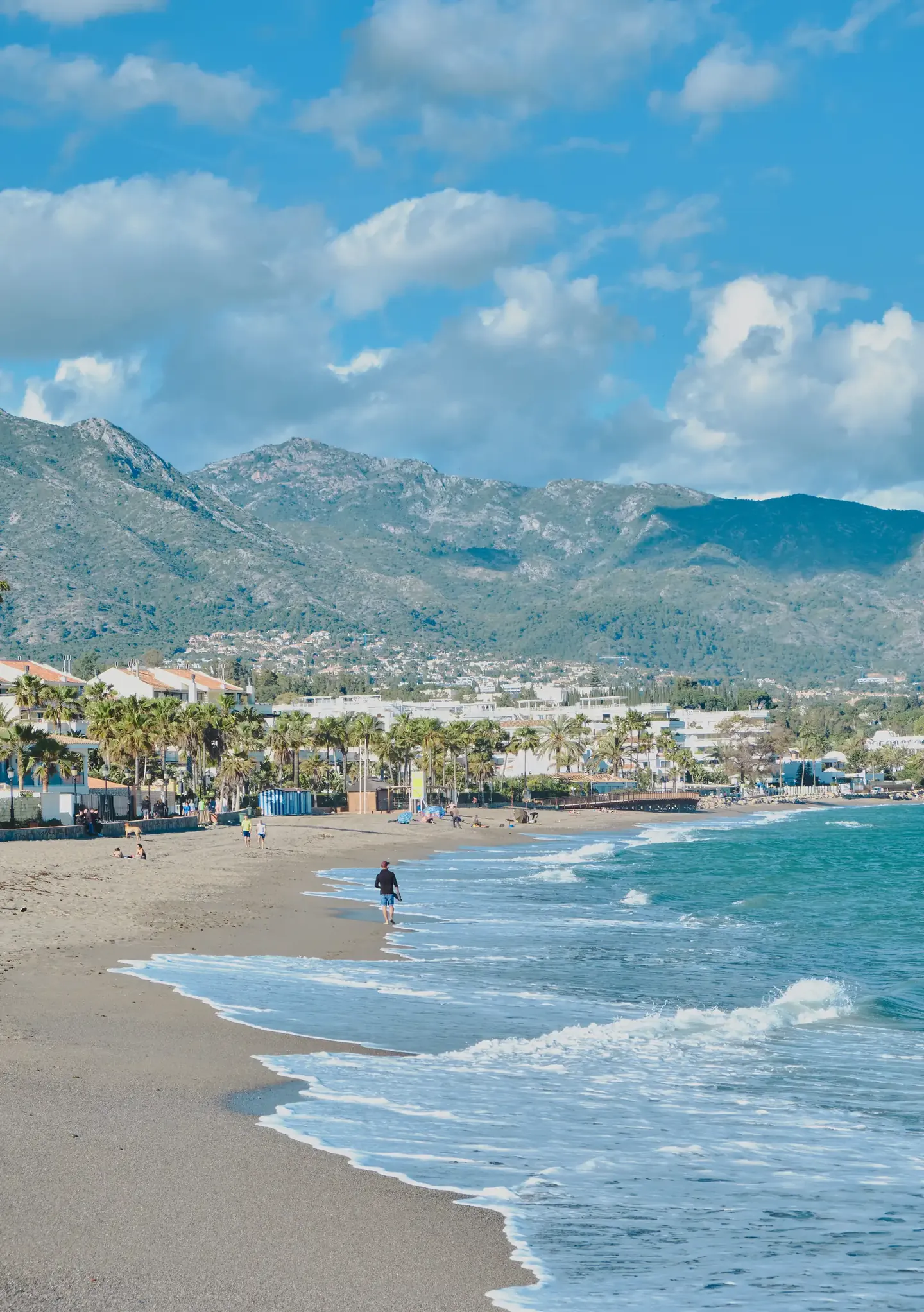
Marbella sits on about 27 km of coastline between the sea and the Sierra Blanca, whose highest peak, La Concha, rises to about 1,215 m. The range shelters the town from the north, which helps explain why winters on this stretch of coast feel so gentle. The area enjoys more than 2,800 hours of sunshine a year.
The pattern is classically Mediterranean: hot, dry summers, mild winters and rain concentrated between autumn and spring. Conditions also change over short distances. A villa at sea level on the Golden Mile and one high in the Benahavís hills can feel like different places on the same evening, with the hills often cooler at night and more exposed to the wind.
Summer: long, bright and busy
From June to September the days are long, the sky is usually clear and rain is rare. Away from the shore the afternoons can be very hot, while the coast itself is tempered by the sea breeze. July and August are when the coast is at its busiest: roads, beaches, restaurants and Puerto Banús fill up, and journeys that are quick in May can slow to a crawl.
Two summer winds set the mood of many days. The Levante blows from the east and often brings humidity, haze and a choppier sea; the Poniente comes from the west and tends to feel fresher, with clearer air. Sea temperature can shift noticeably from one day to the next when the wind turns, so a cool swim in July is nothing unusual.
For an owner, summer is about water and shade. Gardens need their heaviest irrigation now, ideally at night or in the early morning, pool filters run for longer, and air conditioning works hardest in west-facing rooms. Awnings, pergolas and deep covered terraces earn their keep in these months. If you let the house, this is also when demand peaks, and our guide to holiday villa rental covers how owners plan around it.
Autumn: the second summer
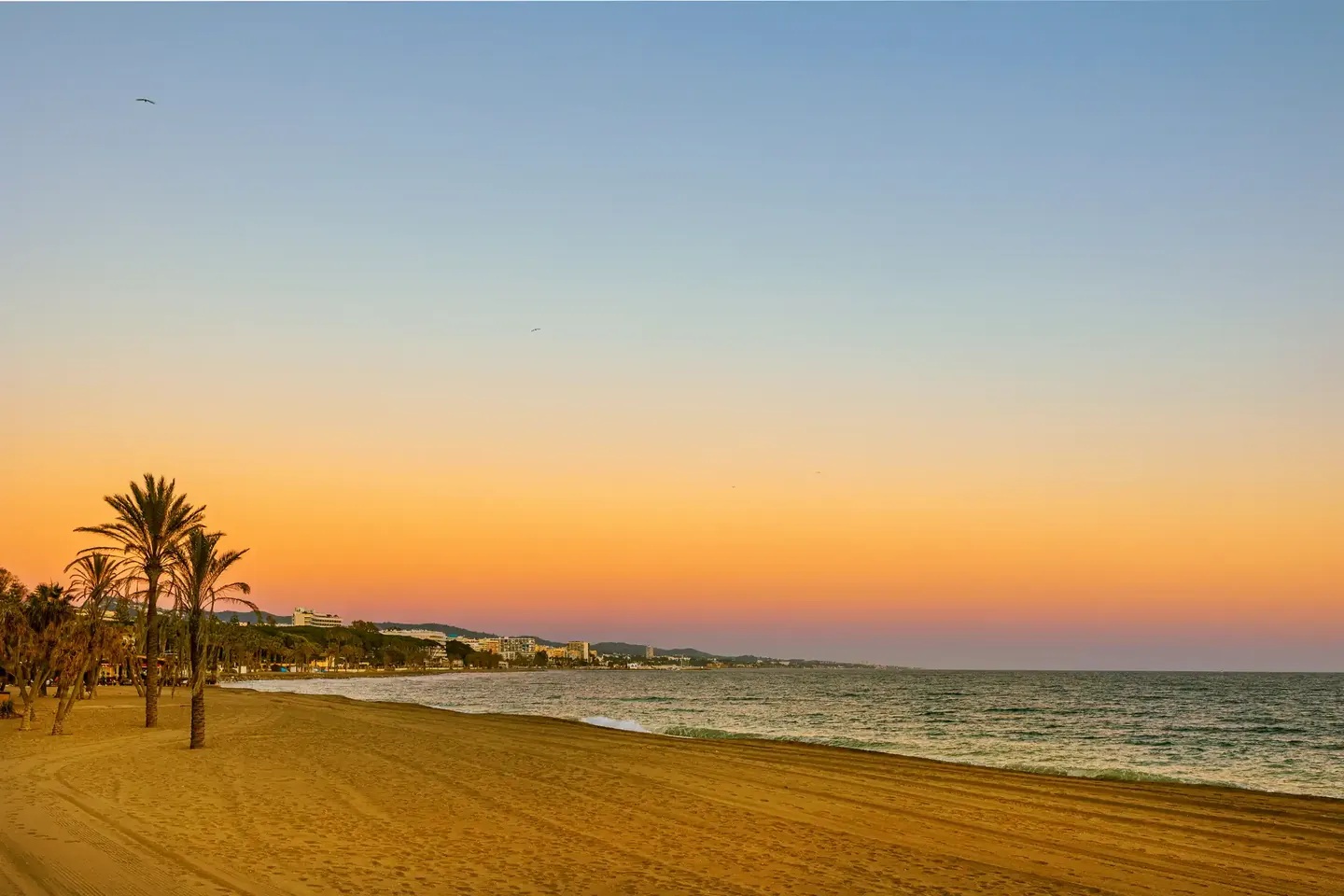
September and October are, for many residents, the finest months of the year. The sea is at its warmest in August and September and stays pleasant into autumn, the crowds thin out, and the late afternoon light turns softer and more golden.
Autumn is also when the rains return, sometimes as short, heavy downpours on ground baked dry by summer. This is the moment to have roofs, gutters, terrace drains and garden channels cleared and checked. Water that cannot escape a flat terrace finds its way into the room below, and a blocked drain in September can become a damp ceiling in November.
Winter: mild days, cool houses
Winter days on the coast are often bright and mild, with a low sun that reaches deep into south-facing rooms. Nights are cool, especially in the hills, and rainy spells can last several days. Frost at sea level is rare, and on a sheltered terrace lunch outside is often possible.
Many Marbella villas were designed for summer, and it shows in January. Marble and stone floors, high ceilings and walls of glass feel wonderful in August and chilly in winter. Underfloor heating, a working fireplace, good insulation and heat pumps that both cool and heat make the difference between a house you use all year and one you close in November.
Damp is the other winter issue. A house left shut for weeks can smell musty, so ventilation, dehumidifiers and regular visits matter. Pools are too cold for most swimmers unless heated: a heat pump and a good cover can stretch the season into spring and autumn, while heating a large pool through the coldest months costs considerably more, so many owners heat only for planned stays.

Spring: green hills and viewing season
From March the hills turn green, gardens flower and the days lengthen quickly. Easter brings the first busy weeks of the year, and by late spring the coast is warm enough for long lunches outside and, for the hardy, the first sea swims.
Autumn, winter and spring are the most comfortable months to view houses: roads are quieter, owners have more time and you can see a property in different weather. Try to visit a shortlisted villa at least twice. A winter visit shows you damp, draughts and which rooms lose the sun early; a summer visit shows you heat, noise, traffic and how busy the nearest beach becomes.
Light, orientation and the terrace
The light changes with the seasons more than visitors expect. In winter the sun stays low in the southern sky and reaches far into the house; in summer it climbs high and sets in the north-west, flooding west-facing terraces in the evening. A terrace that is perfect for winter lunches can be unbearable at six on an August evening, and the reverse is just as true.
Before you buy, see how the sun moves over a plot through the year with our sun compass, and read our guide to villa orientation, light and terraces for how good houses here are planned around it. Clear winter days after rain also bring some of the longest views of the year, from the hills sometimes as far as Gibraltar and the African coast.
Key points
- More than 2,800 hours of sunshine a year, with rain mostly between autumn and spring.
- July and August are the busiest months; September and October are often the most pleasant.
- Plan for winter comfort: heating, insulation and damp control matter as much as air conditioning.
- Have roofs, gutters and terrace drains cleared before the autumn rains.
- View a shortlisted villa in more than one season, and check its sun path.
Questions
When is the sea warm enough to swim in Marbella?
The sea is at its warmest in August and September and stays comfortable for many swimmers into October. Early summer can be cooler than you expect, and the temperature can change from one day to the next when the wind shifts. In winter most people swim only in a heated pool.
Do villas in Marbella need heating?
Yes, if you plan to use the house between November and March. Days are often mild, but nights are cool and stone-floored houses hold the chill. Underfloor heating, heat pumps and a good fireplace are the usual solutions, and insulation and well-sealed windows make all of them work better.
What is the best time of year to look at villas?
Autumn through spring is the most comfortable time to view, with quieter roads and more time for each visit. Ideally return in summer too, to judge heat, noise and traffic. Seeing a house in two seasons tells you far more than one perfect afternoon in May.
Are the hills colder than the coast?
Often, yes, especially at night and in winter, and higher plots can be windier. In return they tend to have clearer air and wider views. If you are torn between the hills and the beach, spend a winter evening in each before deciding.
Published 19 October 2026 by the editors of Luxuryvilla Marbella. Figures are indicative and were checked for autumn 2026.