Running a villa in Marbella: staff, security, maintenance and costs
Buying the villa is only the beginning. A large house in the sun, with a pool, a garden and terraces facing the sea, needs regular attention, even if you arrive only a few times a season. The owners who enjoy their houses most usually have three things in place: a reliable person on the ground, a clear maintenance routine and a realistic annual budget.

A house manager or a management company
Owners who live in the villa most of the year often employ staff directly and manage them themselves. Owners who come and go usually rely on one of two models: a house manager, sometimes living on the property, who runs the house day to day, or a property management company that provides key holding, regular inspections, preparation before arrivals and supervision of contractors.
A house manager knows the house intimately and is there when the alarm goes off at three in the morning; a good company offers continuity, a wider network of trades and cover for holidays and sickness. Whichever you choose, agree in writing what is included, how often the house is checked, who holds keys and alarm codes, how invoices are approved and how quickly someone responds to an emergency.
If you employ staff directly, Spanish employment and social security rules apply, including the registration of domestic employees. A gestor or employment lawyer can set this up properly and run the payroll.
Pool, garden and housekeeping
Pools are usually serviced weekly, and more often in high summer: water balance, cleaning, filter checks and a look at the plant room. Gardens need a gardener on a regular schedule for pruning, irrigation checks and seasonal planting. Lawns and lush tropical planting cost far more to keep than a Mediterranean garden of olives, lavender and gravel, and they use far more water.
Housekeeping ranges from a weekly clean while the house is empty to a full team during stays. Fresh linen, aired rooms, a stocked fridge and a check that everything works before you arrive are the small things that make a house feel cared for. A written house manual with appliance details, contacts and routines helps every new member of staff, and it protects you when people change.


Security
Most owners combine several layers. The core is an alarm connected to a monitoring centre, which verifies an activation and then calls the owner, the house manager or the police, as agreed in advance. Cameras, outdoor sensors, good lighting, solid doors and shutters add to it. Choose an installer who maintains the system and tests the connection regularly.
Spanish privacy rules limit what security cameras may record, particularly the street and neighbouring property, so ask the installer to position them correctly and to put up the signs the rules require.
Gated estates add another layer. Sierra Blanca and La Zagaleta have controlled entrances with 24-hour security, and Cascada de Camoján has a single guarded entrance. Even inside a gate, a house left empty for months still needs its own alarm and regular visits.
Insurance, utilities and water
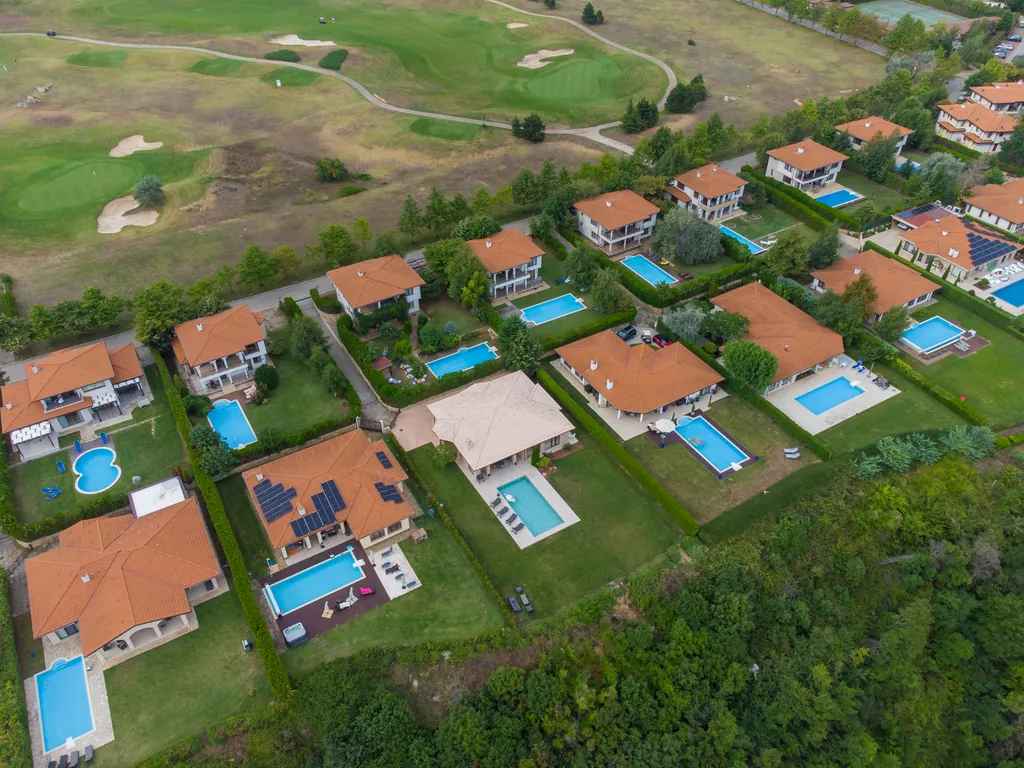
Take home insurance that covers buildings and contents at realistic rebuilding values, civil liability and the particular risks of the house: storms, water damage from leaks, pool equipment and, beside a golf course, stray balls. Read the conditions for periods when the house stands empty, as some policies require regular inspections or set limits.
Electricity in Spain is contracted for a set power capacity, and a large villa with heat pumps, pool equipment and air conditioning needs enough of it, so have the contract reviewed after you buy. Heating may run on electricity, gas or another fuel. Fibre internet reaches much of the coast, though some hill plots rely on other solutions.
Water comes from the municipal supply, and garden irrigation is often the largest single use. In dry years the authorities can introduce restrictions, for example on garden watering or filling pools. A drip system on timers, a garden that copes with drought and a pool cover all make a house more resilient.

Maintenance cycles
Sun, salt and the autumn rains set the rhythm of maintenance. A simple annual plan, agreed with the house manager or management company, keeps small jobs from becoming expensive ones:
- Pools: weekly service, with pumps, filters and chlorination equipment checked every year and surfaces renewed as they wear
- Roofs: tiles, gutters and downpipes checked and cleared before the autumn rains
- Terraces: waterproofing on flat roofs and on terraces above living rooms ages and should be inspected and renewed in good time
- Paintwork: white façades, shutters and woodwork need repainting every few years
- Air conditioning and heat pumps: serviced before summer and again before winter
- Salt air: near the sea, railings, fittings and outdoor units corrode faster and need more frequent care
Budgeting for the year
Running costs depend on size, age, garden, staff and how much you use the house, so there is no single figure. Owners commonly budget a percentage of the property value per year, and that percentage varies widely between a compact modern villa with a dry garden and a large older estate with full-time staff.
Fixed costs include IBI, the annual municipal property tax, community fees on gated estates, insurance and, for non-residents, non-resident income tax on an imputed income, explained in our guide to purchase costs and taxes. Variable costs cover staff, pool and garden services, utilities, alarm monitoring and repairs. Our purchase cost calculator includes running costs, so you can build a first estimate before you buy.
Keep a reserve for the larger cycles of roofs, terraces and paint, and schedule big works outside July and August, when much of Spain is on holiday and some estates restrict noisy work. For bigger projects, read our guide to renovating a villa. This is general information, not advice; for tax, employment and insurance questions, speak to an independent lawyer (abogado) or tax adviser.
Key points
- Put one reliable person or company in charge, with responsibilities agreed in writing.
- Layer security: a monitored alarm, cameras, lighting and regular visits.
- Check insurance conditions for empty periods, storms and water damage.
- Plan maintenance around the seasons, with roofs and drains checked before autumn.
- Budget a percentage of the value each year, adjusted to the house and its use.
Questions
Do I need a house manager?
Not always. If you live in the villa most of the year and enjoy running it, a good pool service, gardener and housekeeper may be enough. If you are often away, someone must be responsible for checks, alarms, contractors and arrivals, either a house manager or a management company.
How often should an empty villa be checked?
Every week or two is a sensible rhythm, and always after a storm or a long power cut. Inspections should cover leaks, damp, the pool equipment, the alarm and the garden irrigation. Some insurance policies set their own requirements for unoccupied homes, so check yours.
How much does it cost to run a villa in Marbella?
There is no single answer. Owners commonly budget a percentage of the property value per year, and that varies widely with size, age, garden, staff and use. A first estimate built line by line, from IBI and insurance to staff and maintenance, is more useful than any rule of thumb.
Is salt air a real problem near the beach?
Yes, for metal and machinery. Railings, hinges, outdoor lights and air-conditioning units close to the sea corrode faster, and paintwork weathers sooner. Choose marine-grade materials when you renovate and allow for more frequent care.
Published 19 October 2026 by the editors of Luxuryvilla Marbella. Figures are indicative and were checked for autumn 2026.